It’s time for nitrate action now.
THE PROBLEM
you can’t see it, smell it, or taste it.
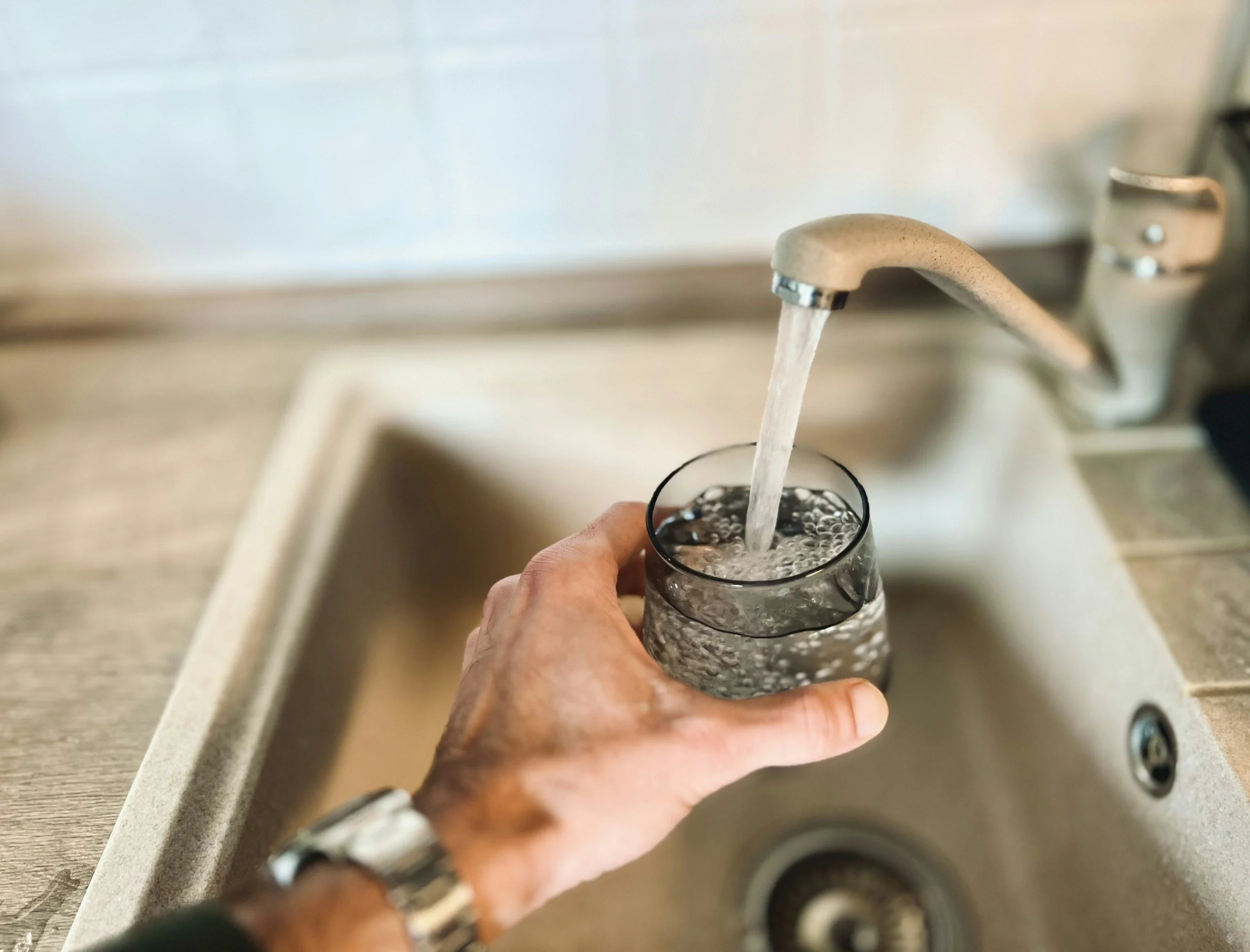
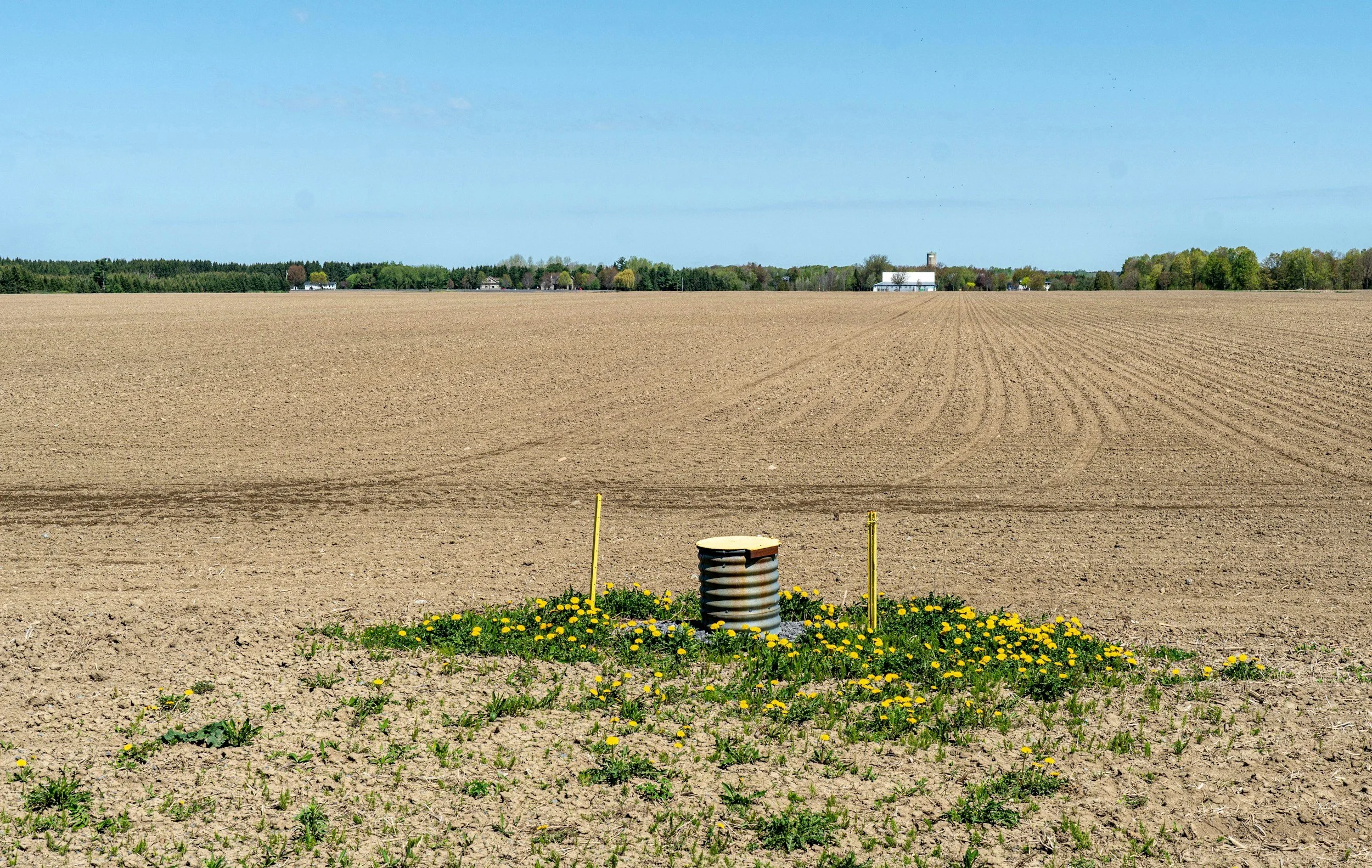
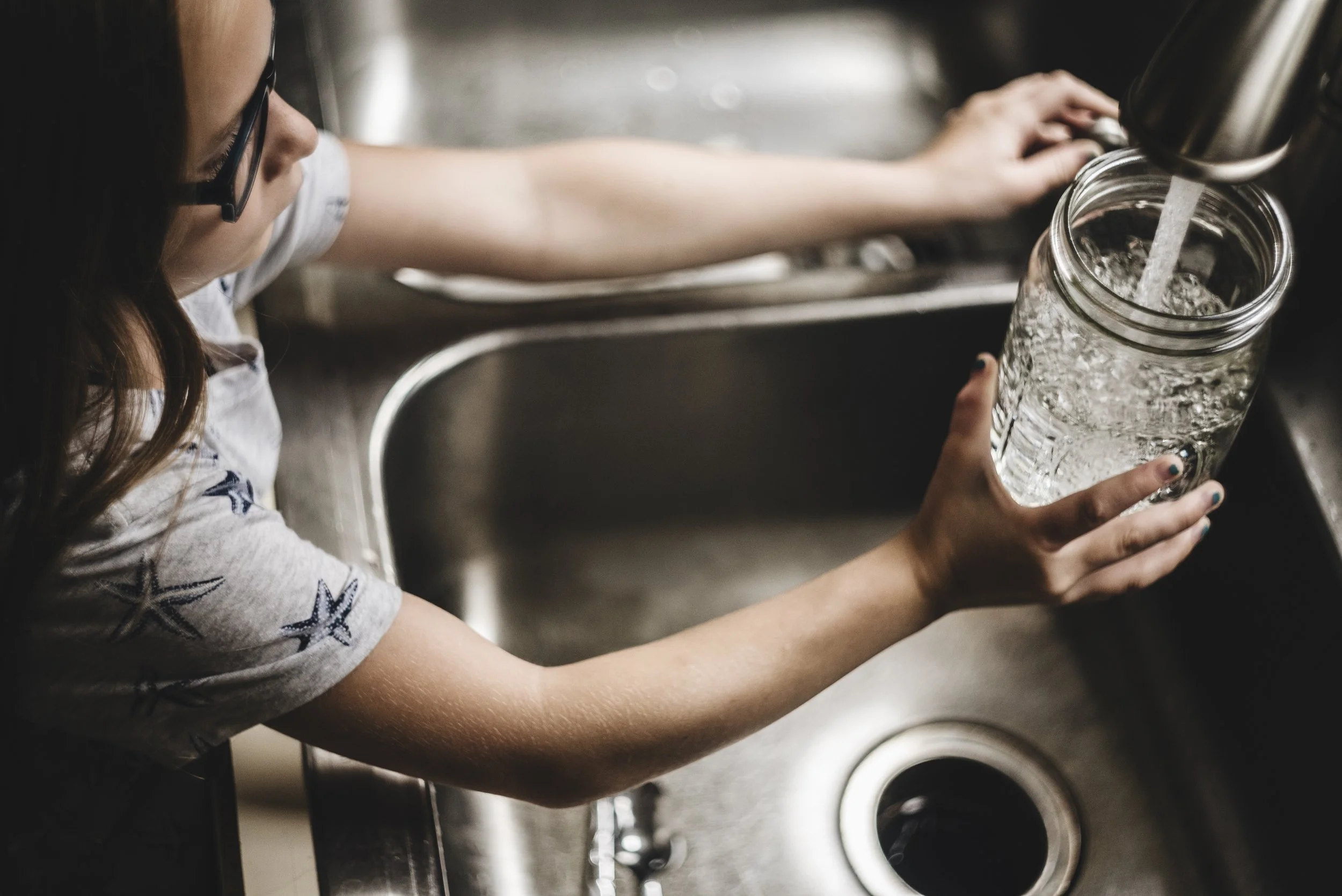
But toxic nitrate already pollutes the drinking water of 1 out of every 8 Minnesotans. After nearly 40 years of waiting for the state to act, agricultural pollution still not under control.
the solution
Enforceable limits that protect water quality. That's how Minnesota already handles pollution from factories, power plants, and treatment facilities. It's time agriculture was held to the same standard. The current voluntary scheme will not guarantee cleaner, safer drinking water during our lifetime.
“
stories
Mike & Jen Tauber
Cass, Minnesota
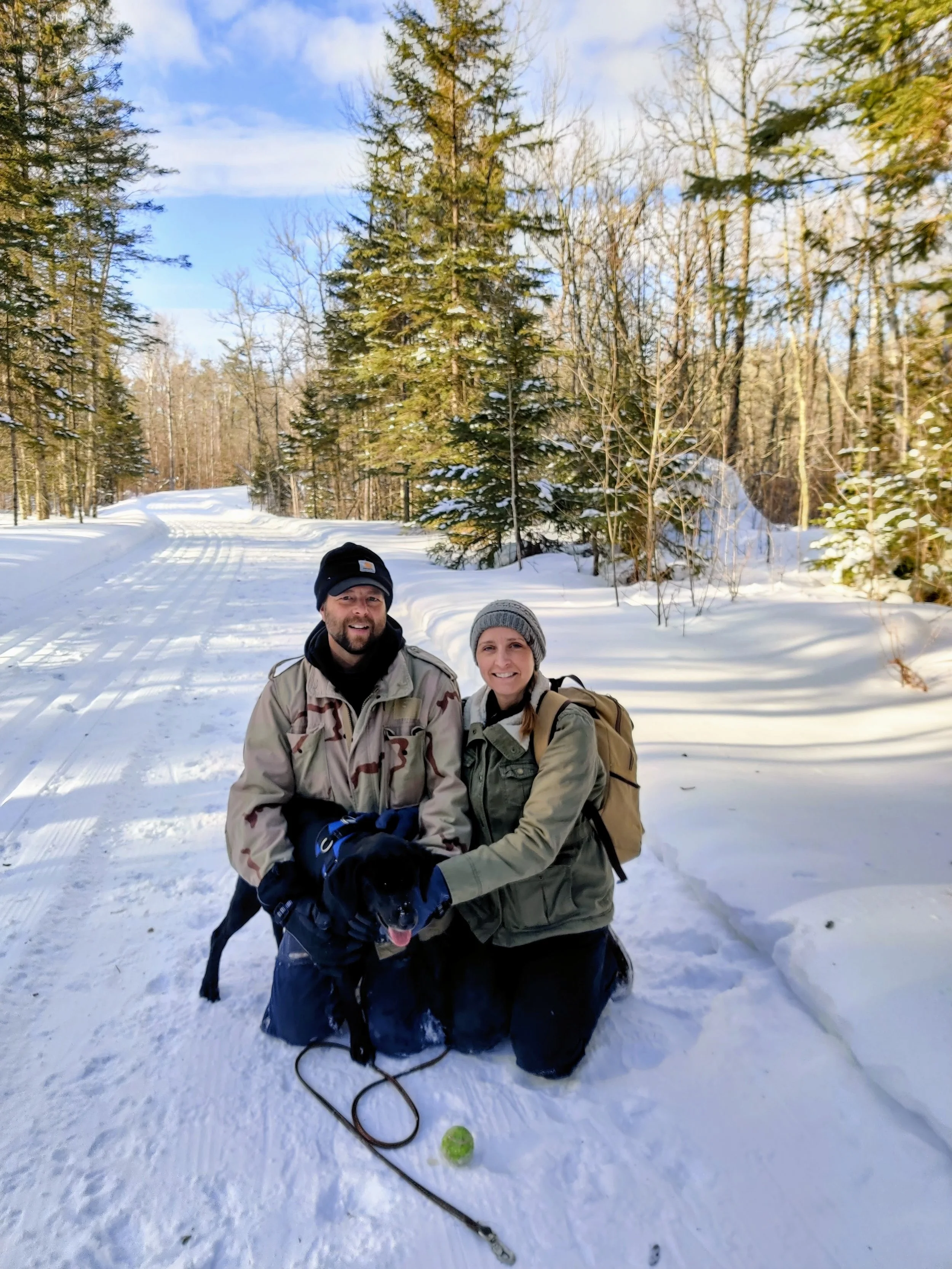
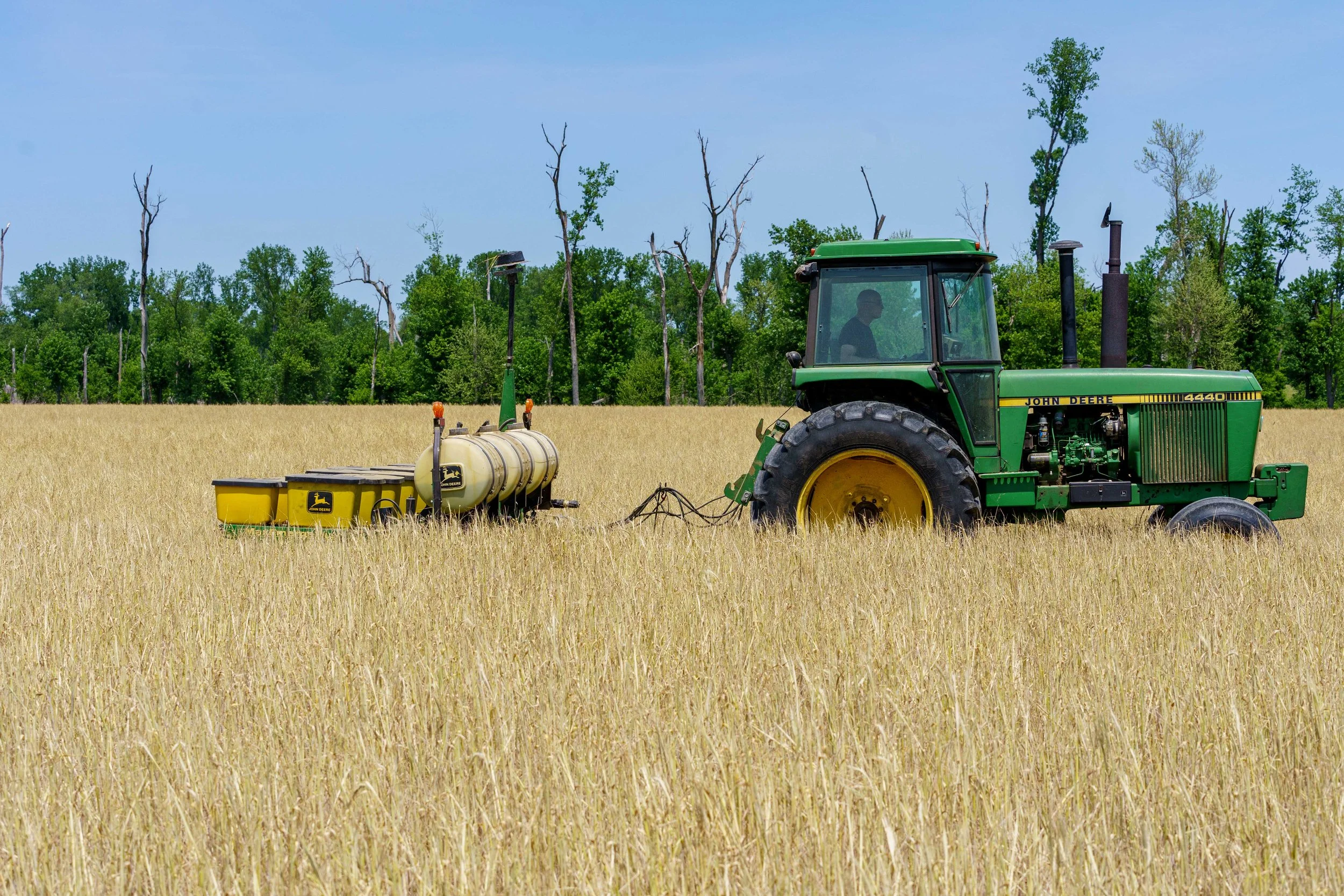
“For decades, we’ve watched chemical agriculture transform our neighborhood. This is industrial-scale production and unrestrained pollution: they cleared jack pine forests first and now drench fields with chemicals and irrigation that all but guarantees nitrates and other chemicals end up in groundwater. Some people in this position are simply leaving – remaining on the land becomes very difficult when drinking water is poisoned, the air is full of chemical drift, and the option of fleeing is still available.”
Protecting Clean Water is Popular
9 in 10
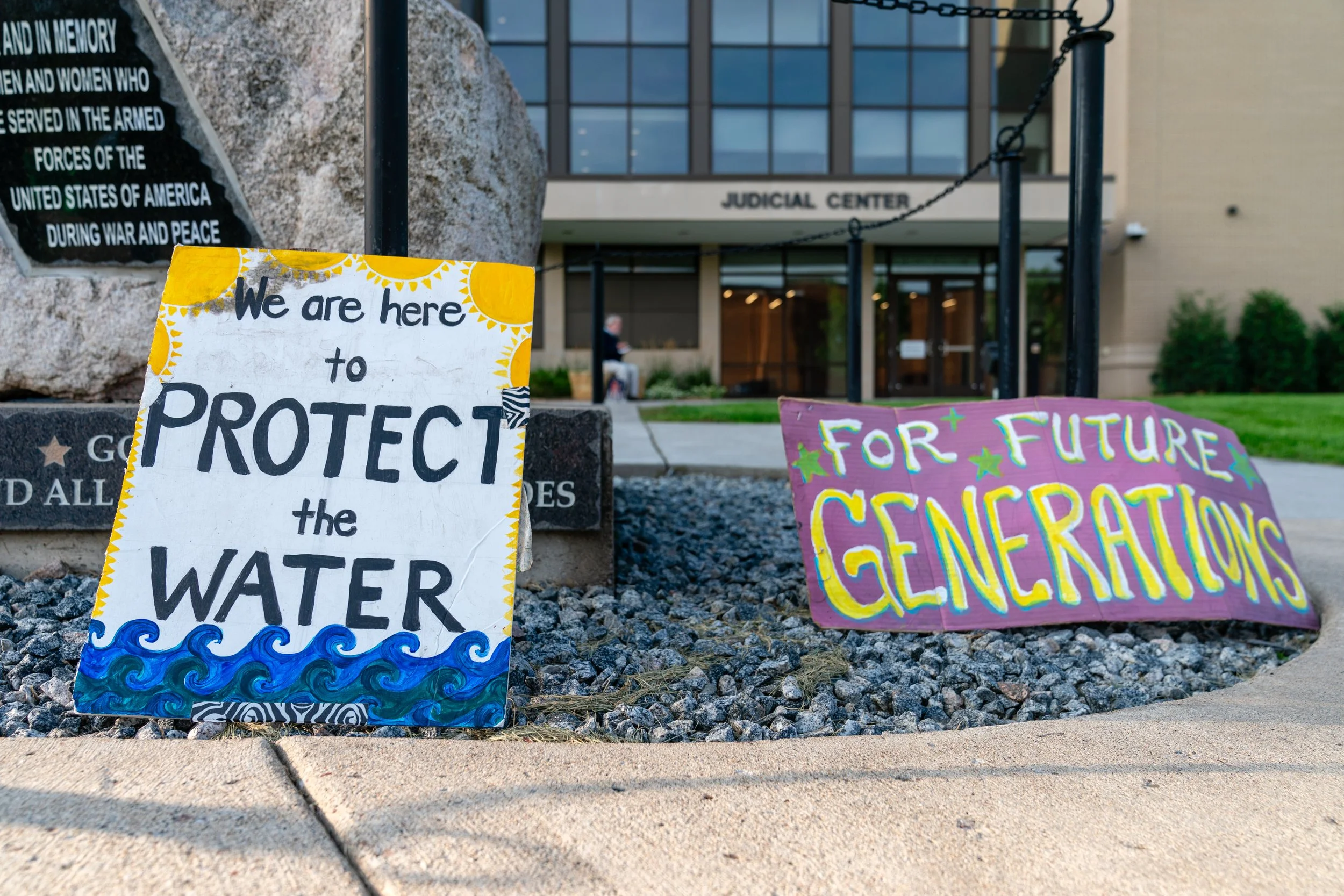
Minnesotans want to see the state do more to address nitrate pollution.
71%
of Minnesotans support setting clear, enforceable limits, similar to limits already required of other industries.
7 in 10
Minnesotans would be more likely to support a state legislator who made protecting clean water from agricultural pollution a top priority.
Source: Survey of 800 Minnesotans conducted by Breakthrough Research, August 18-25, 2026 via an opt-in online panel provided by Cint. A random sample of this size would carry the equivalent of a margin of error of +/- 3.5% at the 95% confidence level. Results are representative by age, gender, political affiliation, and household income.
Recent News