
the solution
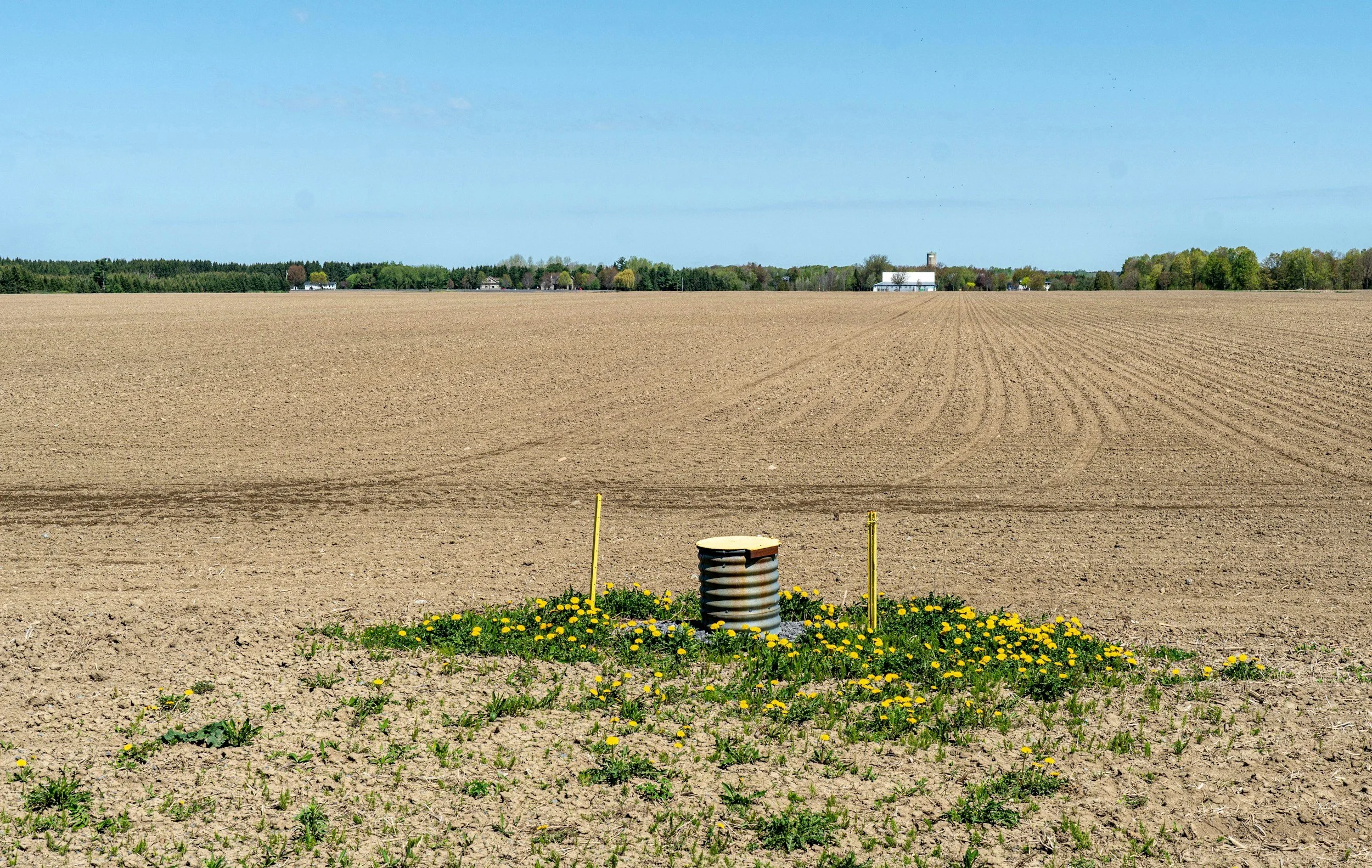
The state needs to do what it already does for nearly every other industry that can pollute our air and water: set clear, enforceable limits on nitrogen application, and hold everyone to it.
Minnesotans have waited long enough.
Set enforceable limits, similar to other industries.
Factories, power plants, and wastewater treatment facilities in Minnesota all operate under legal limits on what they can release into our air and water. Agriculture is one of the only major sources of pollution that doesn't.
This is the state's responsibility, not FOR farmers to fix.
Most Minnesotans agree: protecting our water from agricultural pollution is the state's responsibility, not something farmers should have to manage voluntarily, one farm at a time. No individual farmer can fix a statewide problem alone–and right now, the big, industrial ag polluters face no consequences for it. Clear, enforceable limits would fix that, holding every operation to the same standard instead of leaving responsible farmers to compete against those who aren't.
-
86%
of Minnesotans prioritize ensuring safe water and air over reducing regulation on agricultural producers
-
9 in 10
Minnesotans want to see the state do more to address nitrate pollution, including nearly three-quarters who support setting clear, enforceable limits
-
7 in 10
would be more likely to support a state legislator who made protecting clean water from agricultural pollution a top priority
Source: Survey of 800 Minnesotans conducted by Breakthrough Research, August 18-25, 2026 via an opt-in online panel provided by Cint. A random sample of this size would carry the equivalent of a margin of error of +/- 3.5% at the 95% confidence level. Results are representative by age, gender, political affiliation, and household income.
THE SOLUTIONS
What meaningful regulation would deliver
-
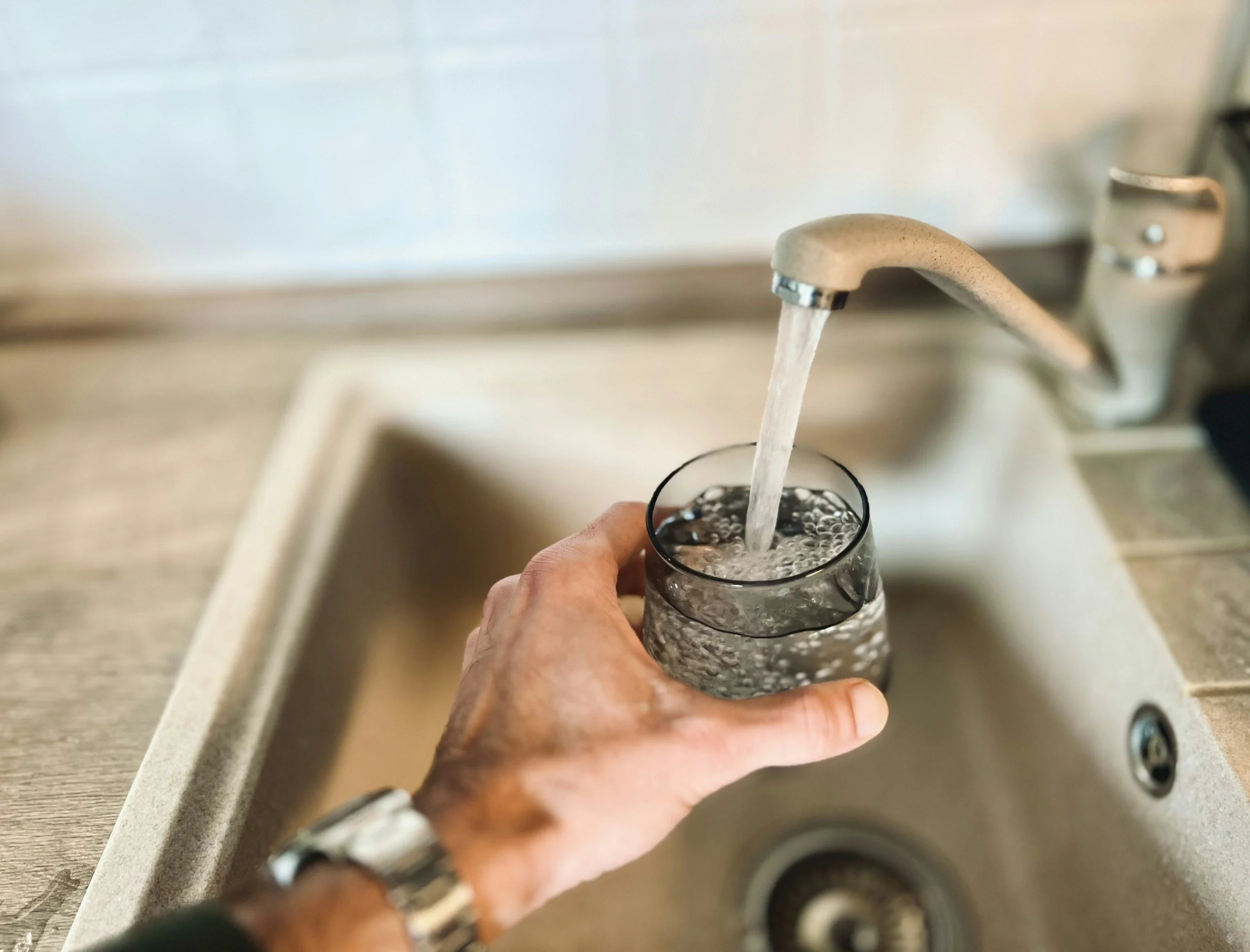
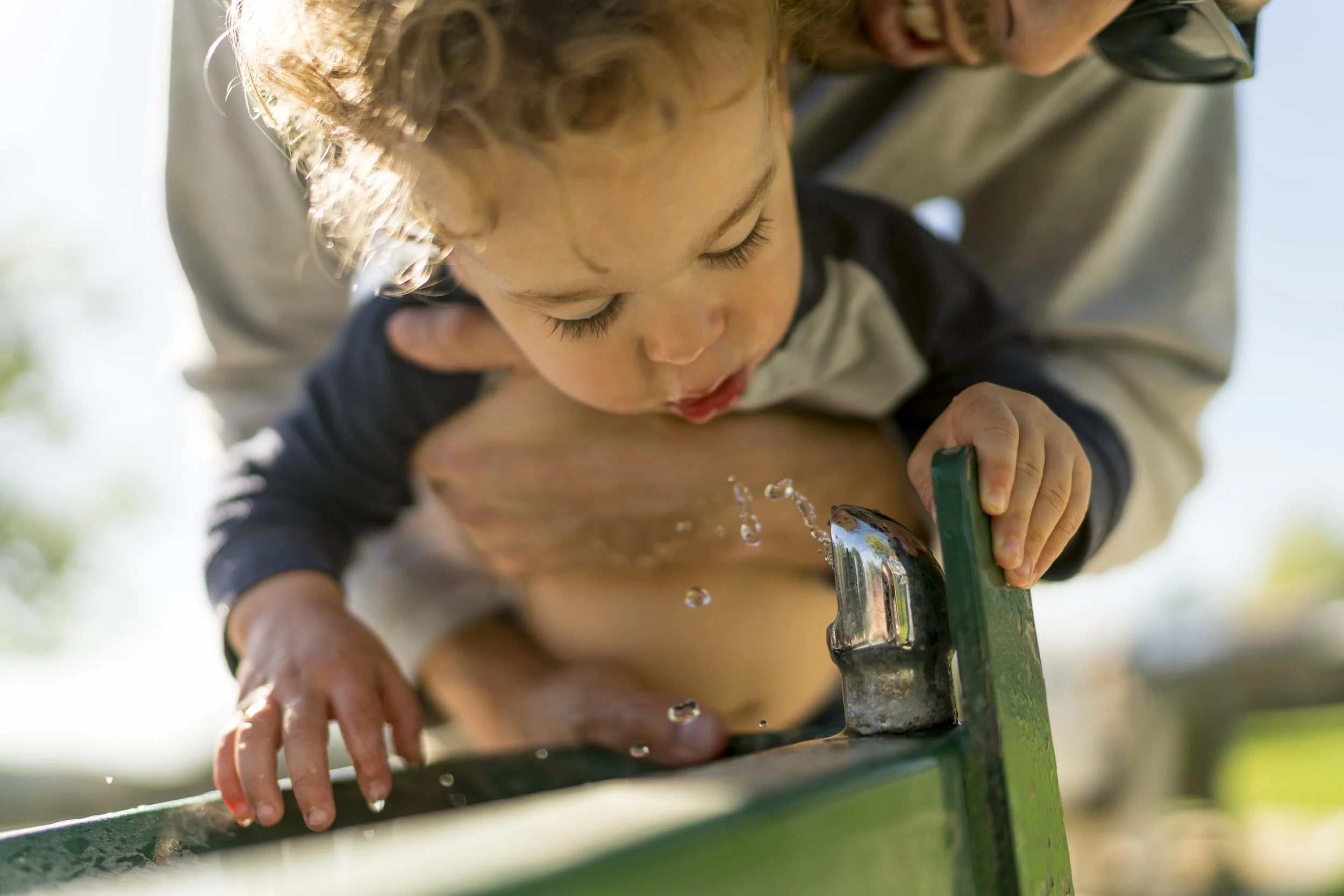
Safer drinking water, both for the one in eight Minnesotans whose public water system regularly exceeds the federal nitrate limit, and for the hundreds of thousands on private wells in the karst region, Central Sands, and throughout the state, who currently bear the cost of testing, treating, or hauling water that agriculture has contaminated.
-
Reduced exposure to a contaminant now linked to colorectal, kidney, and stomach cancers even at levels below the current federal standard.
-
Clear guidance that helps farmers stop paying for fertilizer that becomes runoff instead of yield.
-
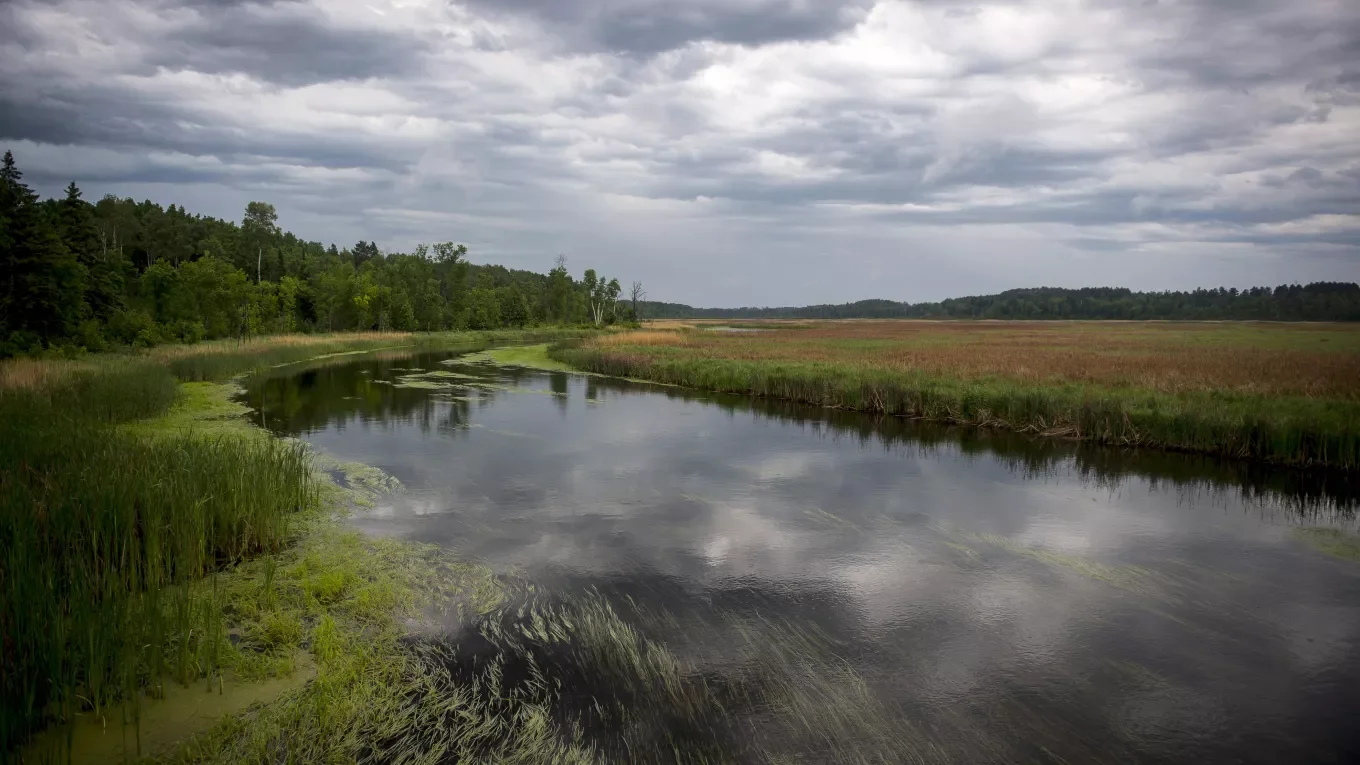
Fewer fish kills, fewer algal blooms, and healthier trout streams, protecting an outdoor recreation economy worth $13.9 billion annually statewide and $1.6 billion in the Driftless Area alone.
-
Right-sizing application is one of the most cost-effective emissions reductions available to the agricultural sector, and one of the least discussed.
Recent News