
The problem
Clean Water is Under Threat
Minnesota finds itself in an agricultural pollution crisis, with nitrates contaminating the drinking water of one in eight Minnesotans, at levels that exceed the federal safety limit.
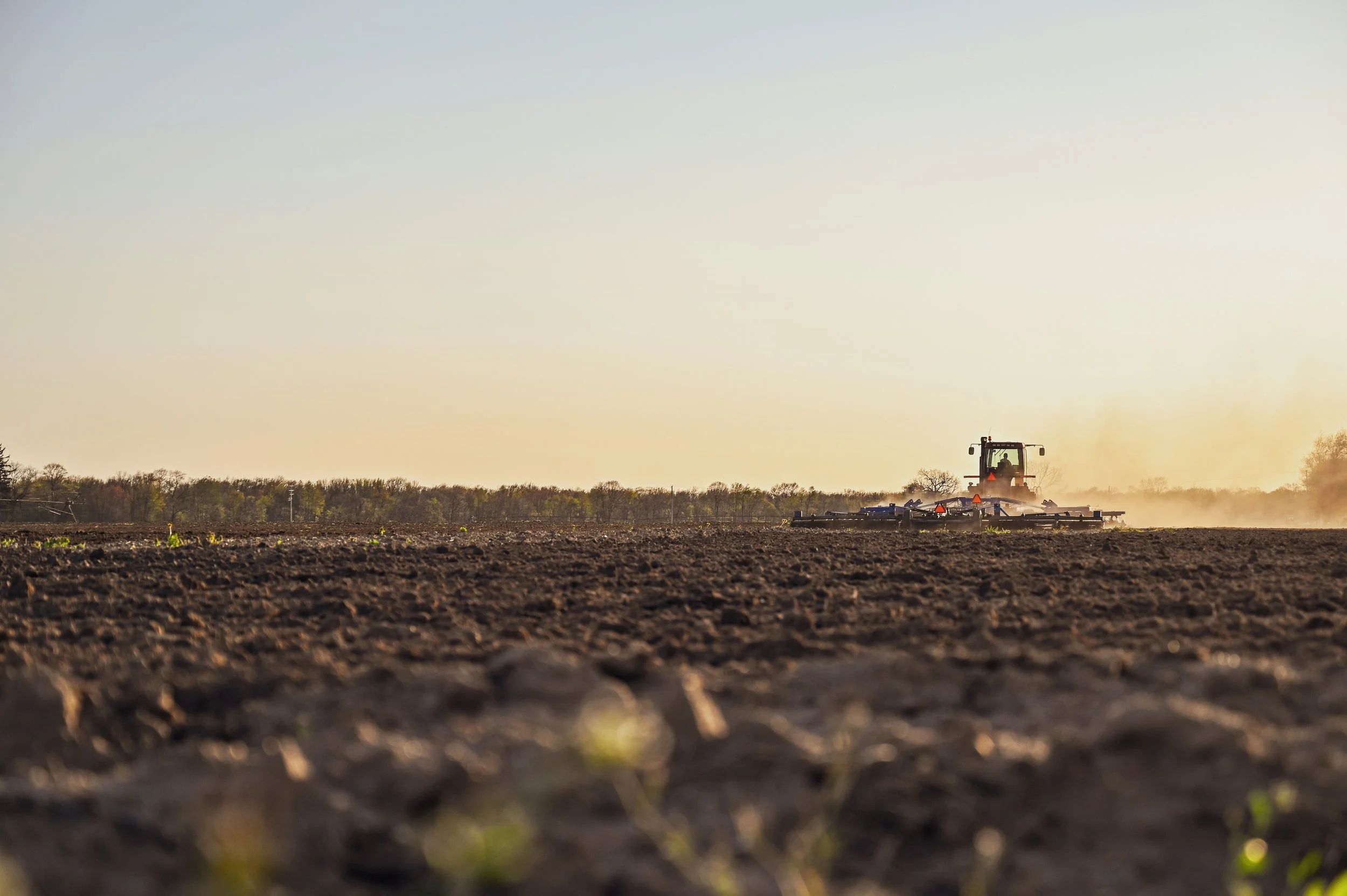
Nitrate enters our water when too much fertilizer is applied to farm fields and is not used by the crop. It travels through drainage systems into the groundwater that feeds private wells and public water systems statewide. Once it's there, it's expensive and difficult to remove.

A documented health risk
The health risks are real and well documented. Research links nitrate exposure to increased rates of colorectal, stomach, and kidney cancers–even at levels below the current legal limit, which was set in 1962 to prevent blue baby syndrome in infants. More than 50 years on, the science is now unequivocal, but our policy hasn't caught up.
Ripple effects far beyond the tap
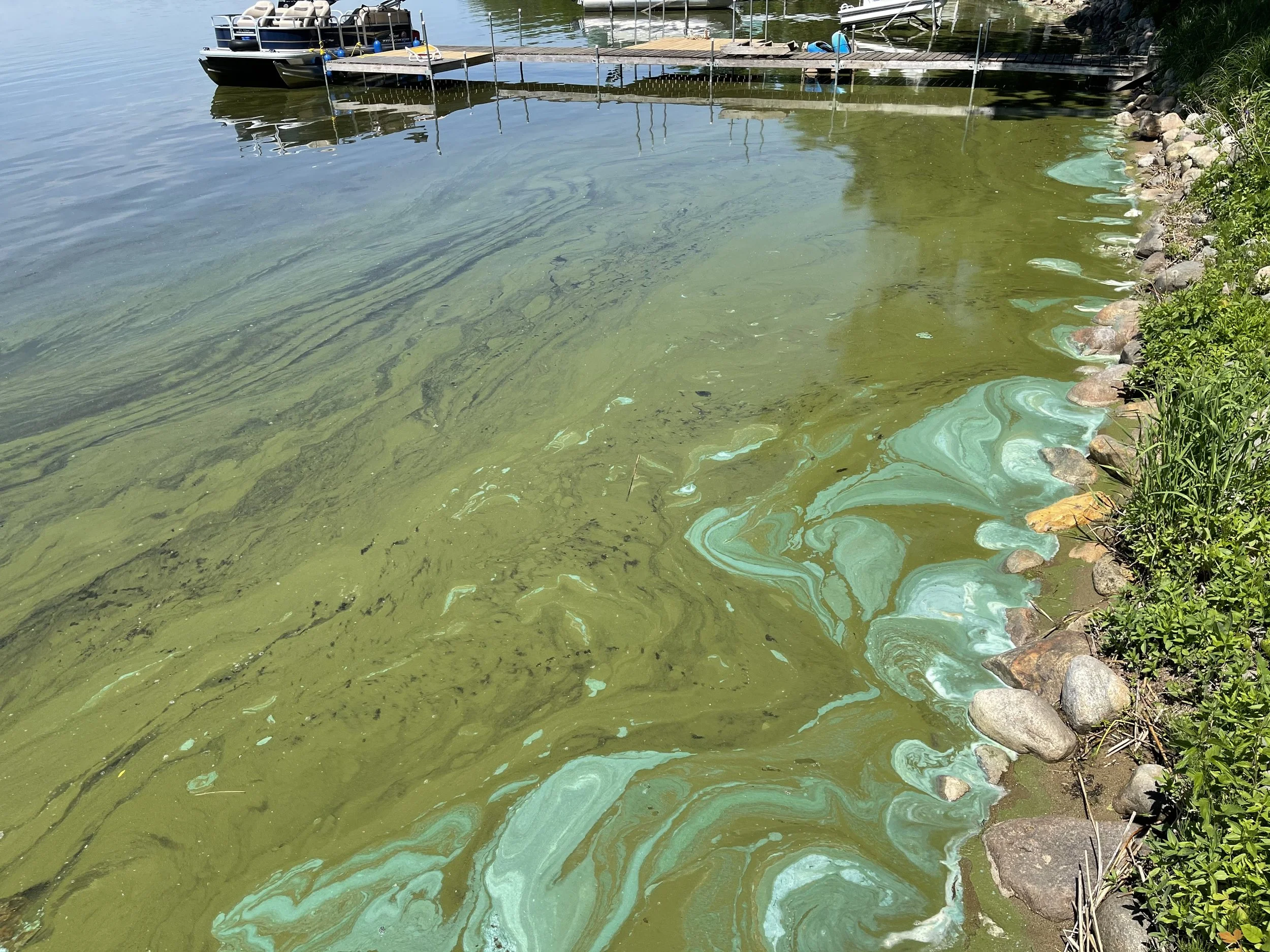
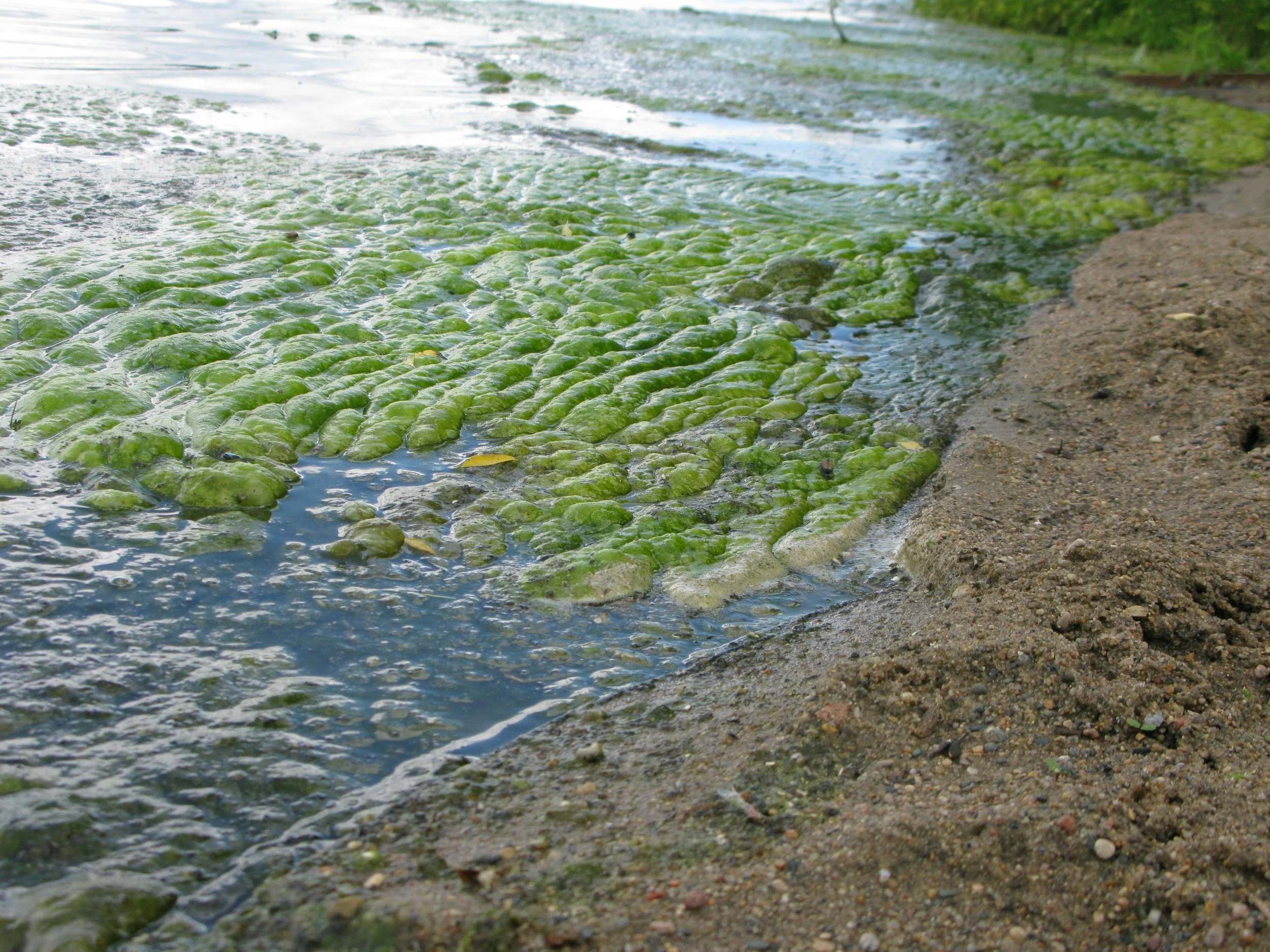
Nitrogen pollution doesn't stop at the well. It fuels algal blooms that close beaches, degrade cold, spring-fed trout streams, and make Minnesota lakes and rivers unsafe for the fishing, swimming, and recreation that draw visitors and sustain rural communities. And excess nitrogen doesn't just stay in the water: it also enters the atmosphere as nitrous oxide, a greenhouse gas 273 times more potent than carbon dioxide that also depletes the ozone layer, raising the risk of skin cancer and cataracts.
-
1 in 2
Minnesotans have seen their drinking or recreational waters impacted by poor water quality in the past five years.
-
9 in 10
Minnesotans are concerned that nitrate levels in the state's water are heading in a similar direction as Iowa.
-
2nd
When Minnesotans were asked to choose their top 2 issues of concern, environmental pollution ranked second only to affordability.
Source: Survey of 800 Minnesotans conducted by Breakthrough Research, August 18-25, 2026 via an opt-in online panel provided by Cint. A random sample of this size would carry the equivalent of a margin of error of +/- 3.5% at the 95% confidence level. Results are representative by age, gender, political affiliation, and household income.
decades of inaction
1989
The Groundwater Protection Act sets a statewide expectation to prevent groundwater degradation. But no accompanying measures to prevent nitrate pollution are created until 2019.
2012-2015
The state develops and launches the Minnesota Agricultural Water Quality Certification Program (MAWQCP), a voluntary program for farmers who agree to adopt nutrient reduction practices. Minnesota has spent more than $32 million on the program to date, with no outcome data showing whether it has actually reduced nitrate levels in the state's groundwater.
2014
The state adopts the Nutrient Reduction Strategy, setting a target of reducing nitrogen pollution 20% by 2025, and 45% by 2040. No penalty is attached if the state misses the target.
2019
The Groundwater Protection Rule is adopted by the Minnesota Department of Agriculture, which puts restrictions on fall nitrogen application and creates a regulatory scheme in vulnerable groundwater areas. The agency itself notes that the majority of farmers do not apply fertilizer in the fall or winter, rendering the restriction useless. Likewise, the regulatory enforcement was designed to be so prolonged, it could be decades before the state intervenes in vulnerable groundwater areas.
2025
The 20% statewide nitrate reduction target comes due. The actual result: 6-9%. In some parts of the state, contamination has gotten worse, not better.
2026
Following a lawsuit by state advocates, the Minnesota Department of Agriculture is ordered to determine whether its Groundwater Protection Rule is working. On August 31, 2026, the agency decides the rule it wrote is adequate and that nothing needs to change, despite groundwater data indicating no improvements in water quality.
Resources

stories
KENT SCHEER
Wadena, Minnesota
“One of Minnesota’s most beloved summer destinations had to overhaul its entire municipal water system because of the amount of nitrate contamination coming from surrounding farm irrigation. Big Ag left the 4,500 residents of Park Rapids to pick up the tab, which residents were forced to do in order to protect their families and thousands of summer visitors.”